Corporate innovation programs are full of good intentions and underwhelming results. The labs get funded. The hackathons get scheduled. The consultants arrive with frameworks. And then, three years later, a senior leader somewhere wonders why nothing made it to market. Elliott Parker discusses the root causes underpinning this phenomenon in his book, The Illusion of Innovation.
In summary: most corporations are extraordinary at running what they've already built. They optimize, scale, and protect. But starting something from zero? That requires a fundamentally different set of instincts, ones that large organizations are structurally designed to suppress. Committees slow decisions. Risk tolerance evaporates under quarterly pressure. And the operational overhead required to birth a new product inside a 50,000-person company makes even the best ideas exhausted before they ever reach a customer.
The numbers are sobering. 95% of new product innovations fail. And of major business transformation efforts, 88% don't deliver on their goals. These aren't flukes of execution. They're predictable outcomes of a broken structure.
But a different model exists, and Alloy Partners has worked with over 20 Fortune 500 organizations to produce different results.
The Atomic Unit of Innovation
At Alloy Partners, we hold one conviction above all others: the atomic unit of innovation is an entrepreneur inside a startup, not a team inside a corporation.
That's not a knock on corporations. They bring indispensable assets, capital, customers, domain expertise, distribution, and brand credibility. But those assets need to be combined with the speed, risk tolerance, and founder-market fit that only a dedicated startup can provide.
That's the premise of the Venture Build, Alloy's core product offering.
In a Venture Build, Alloy co-creates a new startup alongside a corporate partner, from Day 0. We design the business model. We identify and recruit world-class founders. We validate assumptions in-market before a line of code is written. We structure the startup with what we call structural advantages: the corporate partner as first customer, initial capital, brand credibility, and direct access to industry data and relationships. And we manage the process from early concept through investor-ready pitch, typically within a six-month sprint.
The result is an "advantaged startup", a company with the agility of an early-stage venture and the unfair advantages of a strategic corporate backer behind it.
This isn't an accelerator. It isn't consulting. And it isn't corporate venture capital. It's building, by startup rules.
What Makes a Venture Build Different
The Venture Build is a structured, milestone-driven co-creation process built on a proven playbook Alloy has refined across 40+ companies and 8+ studios. The program moves through five phases: Assemble, Test, Sprint, Launch, and Accelerate. Each is designed to reduce uncertainty before increasing investment.
Assemble is where scope gets set. Working collaboratively with the corporate partner, Alloy defines the bounds of the opportunity: what customers, what jobs-to-be-done, what technology and business model types are desirable, discussable, or out of bounds. This isn't just to focus the team, it's to ensure that eventual investment decisions have an objective foundation, not post-hoc rationalization. From there, Alloy applies a venture-investor lens to generate and prioritize a long list of Strategic Opportunity Areas (SOAs), each sitting at the intersection of a customer, an unmet job to be done, and an enabling technology or business model.
Test accelerates validation for the top concepts. The team conducts primary research, interviews with customers, suppliers, industry experts, and investors, to identify which assumptions are well-founded and which must be invalidated before proceeding. Every concept gets scored against the same criteria: desirability (do people want it?), feasibility (can it be built?), and viability (is it worth building?). The output isn't a recommendation to build everything, it's a disciplined funnel that advances only the most promising concepts.
Sprint Week is the crucible. Two concepts get developed in parallel into investor-ready pitches: product vision, business model, go-to-market strategy, financial model, and founding team criteria. At the end of Sprint Week, the corporate partner's advisory board deliberates and makes a go/no-go decision. The best outcome: one or two new startups get funded and launched.
Launch and Accelerate are where Alloy's platform support takes over: talent recruitment, legal formation, technology setup, seed fundraising preparation, and ongoing portfolio support to help founders reach their first external raise and beyond.
The program is deliberately co-investment structured. Alloy takes equity alongside the corporate partner, which means we're not incentivized to recommend a launch unless we genuinely believe in the business. We don't pick winners. We make them.
Case Study: NorthStar Clean Energy and the Launch of CHUCK
The Challenge
In early 2023, NorthStar Clean Energy, a subsidiary of CMS Energy and operator of biomass bioenergy facilities across Michigan, faced a compounding strategic problem.
Their bioenergy plants depended on a consistent, high-quality supply of wood biomass feedstock. But the biomass supply chain was fragmented, relationship-driven, and resistant to scale. Suppliers were under-capitalized. The market lacked price transparency. And as carbon credit markets began to mature, the ability to verify and report the carbon embodiment of biomass supply was becoming a strategic imperative, not just a nice-to-have.
Meanwhile, millions of tons of high-BTU construction and demolition (C&D) wood waste were flowing into landfills every year, wood that had far higher energy density than the forestry residuals most plants were using, and that general contractors were literally paying to dispose of. The gap between where the waste was and where it needed to be wasn't a supply problem. It was a coordination and information problem.
NorthStar came to Alloy with a clear mandate: identify what venture-scale startup opportunities existed within the biomass energy value chain, validate them in-market, and determine whether building a new company was the right path.
The Process
Alloy kicked off the program in January 2023. The first task was setting clear goals and bounds, a deceptively important step. Through structured workshops with the NorthStar team, Alloy established that the program would focus on opportunities from "source to distribution" within the biomass energy value chain, targeting B2B SaaS or marketplace models, with a minimum viable market of $1B TAM and the potential for $100M ARR. Carbon capture as a standalone category and opportunities outside North America were out of scope.
With bounds set, Alloy conducted 19+ primary interviews, including CMS and NorthStar employees, biomass plant operators, suppliers, logistics companies, carbon market participants, and venture investors. Four themes emerged from the research: scaling the supply base, managing supply base fragmentation, building toward certification standards, and improving transparent forecasting across the value chain.
From those themes, the team generated eleven discrete opportunity areas and prioritized them through a structured assessment combining market attractiveness and strategic alignment. Four advanced: identifying alternative supply sources, supply grading, carbon lifecycle assessment (LCA), and waste-to-energy from C&D wood waste.
Through the Test phase, the team ran rigorous assumption testing on each concept. Carbon LCA showed strong potential but hinged on timing, NorthStar's BECCS plant wasn't scheduled to come online until 2026, creating a question of runway. Transport optimization had real market logic but required a founding team with deep logistics industry DNA. The biomass marketplace concept was ultimately deprioritized because unlocking supply was not, at its core, a data problem.
The concept that kept winning was CHUCK.
The Insight
CHUCK started from a simple but powerful observation: construction and demolition sites in the United States generate over 41 million tons of wood waste annually. The majority goes to landfill, not because it isn't valuable, but because no one had built the coordination infrastructure to connect the waste generators (general contractors) to the biomass end users (bioenergy plant operators), using the existing regional hauler networks already operating between them.
General contractors were paying tipping fees to landfill high-BTU wood. Bioenergy plants were struggling with supply inconsistency from fragmented forestry suppliers. Regional waste haulers had capacity they weren't fully utilizing. Each party had an unmet need. None of them had a way to find each other efficiently.
CHUCK's value proposition was clear across all three sides of the marketplace: general contractors reduce waste disposal costs and meet LEED and sustainability diversion targets; waste haulers gain stable, consistent load contracts and new revenue; and bioenergy plants receive a predictable, energy-dense, pre-sorted feedstock supply, supplemented by sustainability reporting and carbon data that feeds directly into carbon credit verification workflows.
Sprint Week and the Investment Decision
During Sprint Week, the Alloy team, led by myself and supported by product, brand, and operations specialists, developed the CHUCK concept into a full investor pitch in five days. The team conducted an additional 14+ interviews during the sprint itself, including sessions with major general contractors, waste haulers, and bioenergy operators. NorthStar's leadership served as the advisory board.
The pitch addressed the business model: CHUCK earns revenue from three streams: waste diversion fees from general contractors, biomass feedstock delivery fees from bioenergy plants, and sustainability analytics and reporting for construction firms seeking to meet ESG and LEED requirements. Each stream grows independently and reinforces the others as the business scales geographically.
The go-to-market toehold was equally specific: begin in Michigan, near NorthStar's existing Genesee Power Station, using existing waste hauler relationships to divert C&D wood to NorthStar's plant for processing. NorthStar would serve as CHUCK's first customer, providing initial revenue, proof of concept, and the credibility that every early-stage startup needs to attract external investors.
NorthStar's advisory board made the investment decision. CHUCK was funded and launched.
The Outcome
CHUCK, now operating as Woodchuck.ai, is a scalable wood waste diversion and renewable energy platform that uses AI image recognition to identify, divert, sort, and segregate wood and other valuable materials from waste streams, routing them to their highest and best use across remanufacturing, bioenergy, biochar, and carbon removal. The company has already diverted over 60,000 tons of CO2-equivalent to date.
Woodchuck's client base includes major corporations, regional general contractors, waste haulers, and bioenergy operators, validating the multi-sided marketplace model that emerged from Alloy's research. The platform tracks diverted waste from origin to final dispensation, generating customizable sustainability reports that document total tonnage diverted, CO2 avoided, BTUs of clean energy produced, and net carbon impact.
Brian Hartmann, President of NorthStar Clean Energy, put it this way when Woodchuck's work was announced: "We believe that biomass with carbon capture and sequestration (BECCS) has a critical role to play in decarbonizing the grid and creating a sustainable energy system."
The program ran from kickoff in January 2023 to Sprint Week in May 2023, roughly five months from first conversation to funded startup.
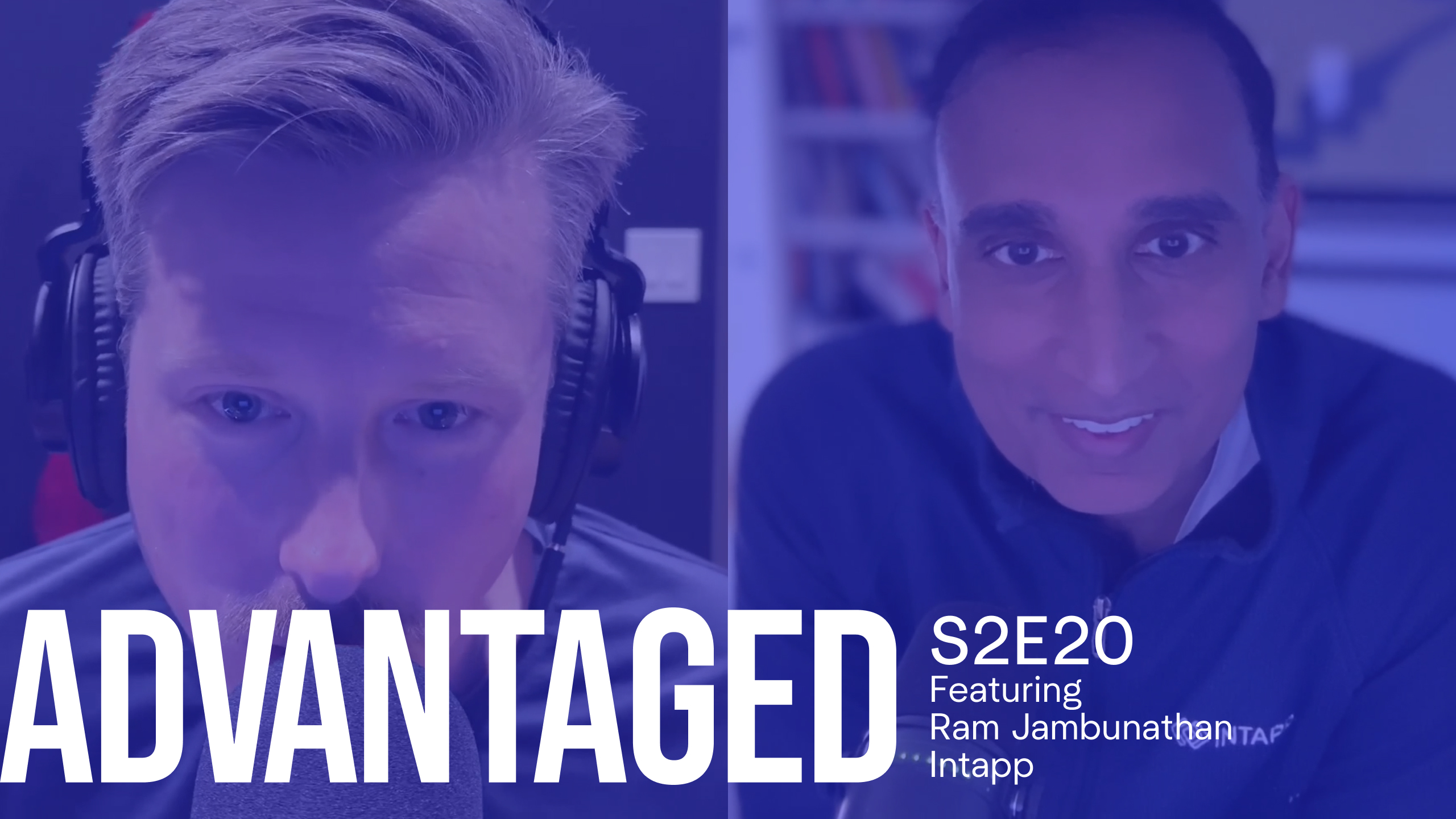
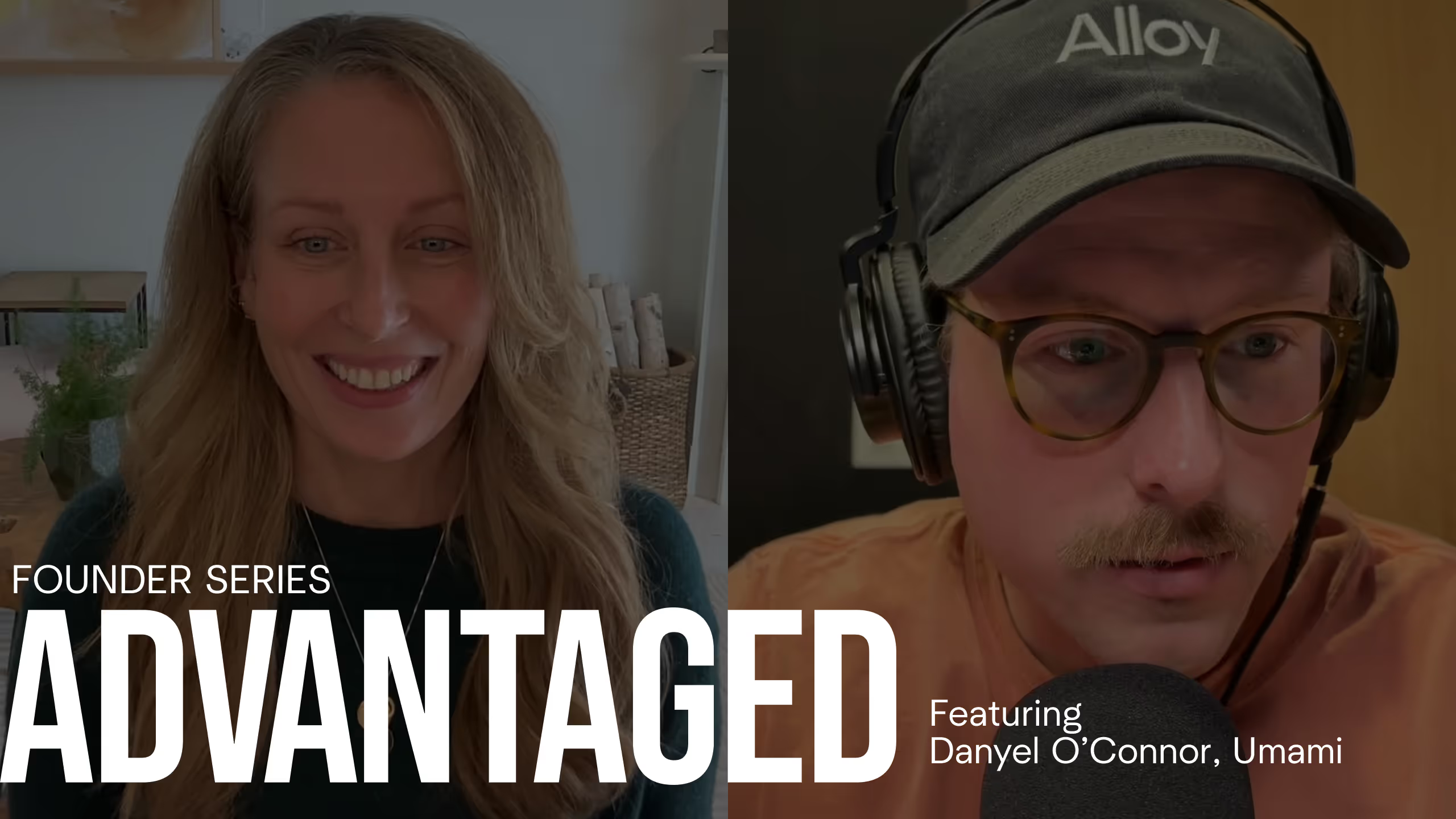
You can hear more about this process of building Woodchuck in our podcast episode with Brian Hartmann of NorthStar Clean Energy and Todd Thomas, Co-Founder & CEO of Woodchuck below:
What the Venture Build Delivers
The CHUCK story illustrates something that gets lost in most corporate innovation discussions: speed and rigor aren't opposites. The Venture Build delivers both, because it never stops being driven by what customers actually need.
Every element of the process, the goals and bounds session, the JTBD research, the assumption testing, the sprint, exists to reduce the most expensive thing in innovation: building the wrong thing. By the time NorthStar made their investment decision, the team had conducted 35+ interviews across the value chain, validated the core assumptions, built the pitch, and had a founder profile ready. The risk was still real. But it was knowable, bounded, and proportionate to the opportunity.
That's what corporate partners get from the Venture Build: not a promise that the startup will succeed, but a dramatically higher chance that it will, because the foundations are right.
Studio-built companies reach Series A in roughly 25 months, compared to 56 months for traditionally funded startups. Studio startups progress from seed to Series A at a 72% rate, compared to 42% for traditionally funded startups. These aren't just process improvements. They reflect what happens when structural advantages are designed in from Day 0.
Who the Venture Build Is For
The Venture Build works best for corporations that see a strategic opportunity adjacent to their core, one that requires new capabilities, new markets, or new business models that can't be built efficiently from inside the mothership. The right partners are organizations that can commit the relationships, domain expertise, and initial investment to give a startup the advantages it needs; that can designate a small but engaged internal team to work alongside Alloy through the program; and that are genuinely willing to make an investment decision at the end, not just run a strategy exercise.
It's not for every organization. But for the ones that are ready to build, not advise, not study, not report, it's the fastest path we know from corporate ambition to market-ready startup.
In a world that sees disruptors and incumbents as adversaries, we believe they can win together.
The Venture Build is how we make that happen.
Alloy Partners has co-created 40+ companies and built 8+ venture studios with leading corporations, universities, and government partners. Get in touch if you want to explore a partnership.


































.avif)