There's a particular kind of weariness that settles in after reading about a record year in venture and fielding repeated nos from investors. I've watched a lot of CEOs carry that weight. It's hard not to conclude that the problem is you.
It's not you. The goalposts moved.
As we wrote in July, 87.5% of the record $412.7 billion invested in the first half of 2026 went to megadeals, and the bar for everyone else rose with it. Harry Stebbings of 20VC put it bluntly. A company that grows from $1 million to $75 million in four years, top decile three years ago, isn't attractive to most VCs today, because a handful of AI companies grew that fast in nine months.
That leaves every CEO with a real choice, and it's one you should be deliberate about, because 85% of venture-backed founders end up with nothing when they exit. A few companies belong on the venture path, raising every 18 to 24 months and growing roughly 10x to reach a Series A. Most others should plan to control their own destiny: raise one round, get to cash-flow positive, and raise again only from strength. AI makes that more realistic than it's ever been, because a small team can now do what used to take ten people.
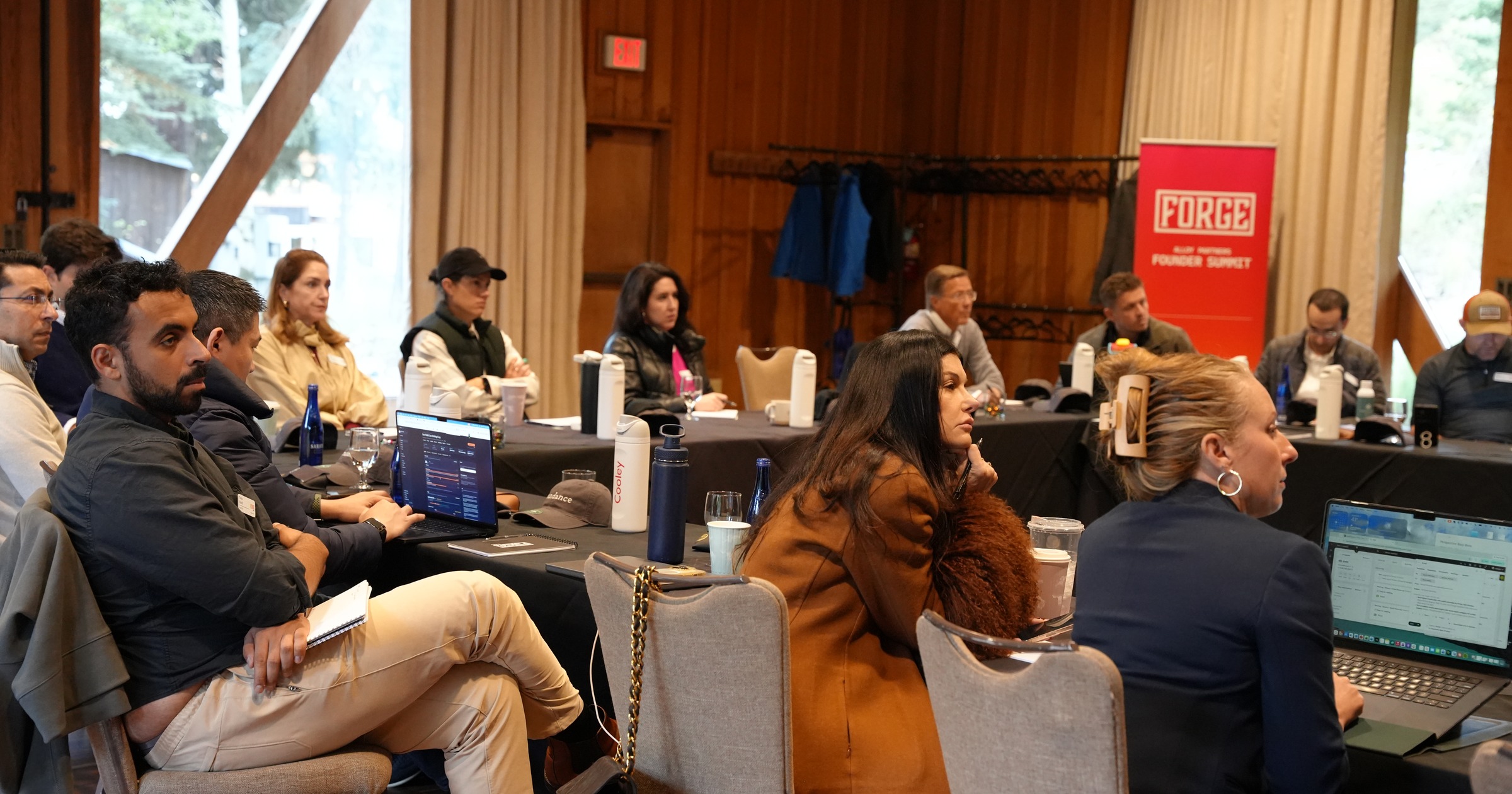
It's a hard reality to grapple with, because this isn't just a fundraising decision. The path you pick shapes how fast you hire, which customers you can win, what you build next, and how you eventually exit. That's exactly the kind of call that's easier to make alongside peers and experts who've been there, which is why we bring Alloy's co-founders together every year at Forge, our annual co-founder summit.
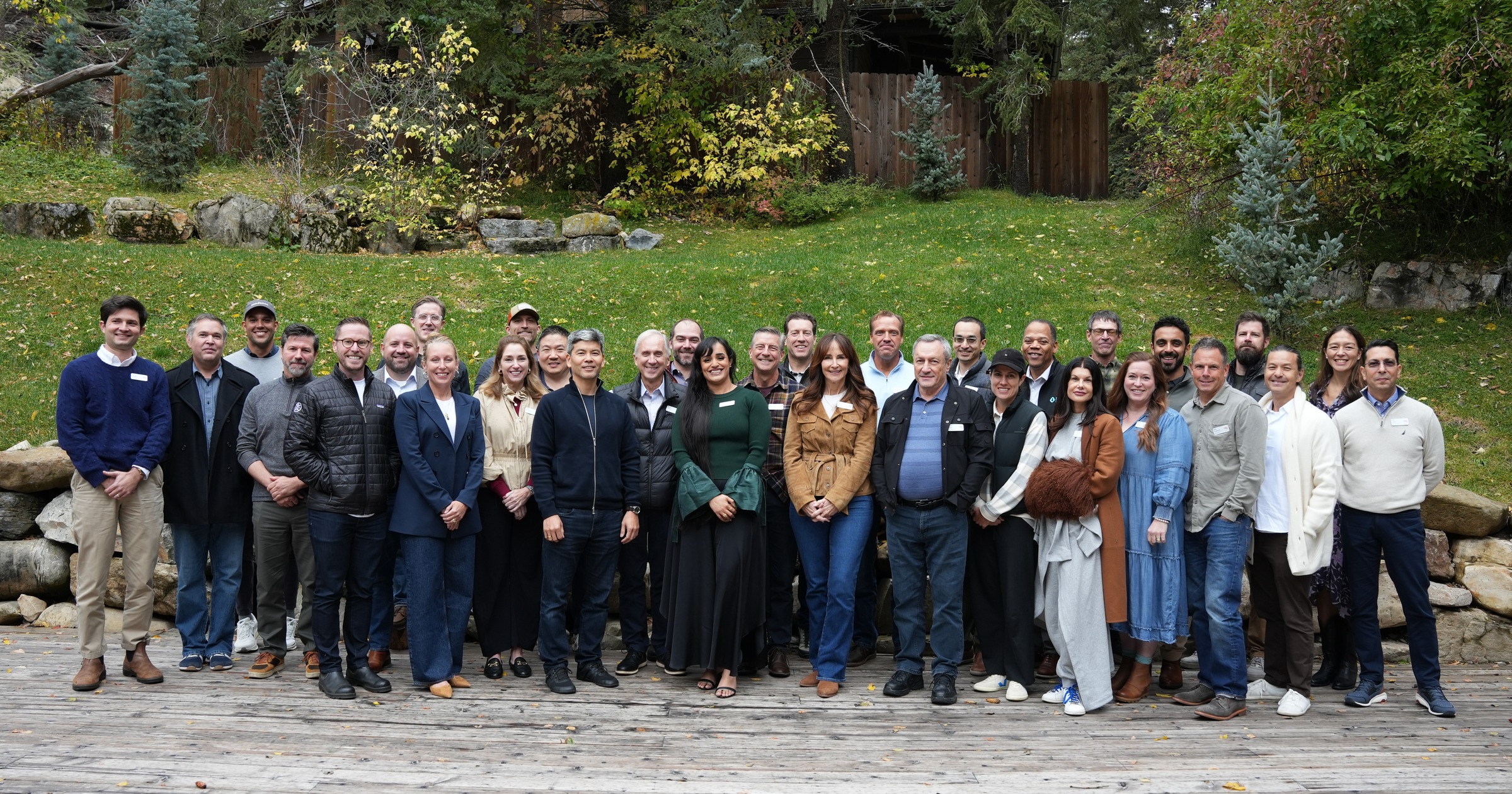
Building an enduring company takes a little magic and a lot of grit, and nobody should do it alone. This year, 22 Alloy co-founders from 15 startups spent three days at Sundance with us and select investors and operators. They're building in agriculture, health care, manufacturing, and enterprise tech, each with a design partner that brings them advantaged industry access. What they get from each other is hard to find anywhere else: a peer who closed a stalled round, one who is rebuilding the company from the studs, or another considering exit options.
So what are CEOs actually doing to raise, and win, when the game has changed? Here's what we heard at Forge.
Stop playing the volume game
For years, fundraising was a volume game. Build a long target list, take every meeting, and wait for momentum. In a market this concentrated, that process produces polite passes that chip away at morale.
The CEOs who have raised successfully have stopped playing that game. They go to funds that invest only in their region or sector, or to angels and family offices with a real connection to the problem they're solving. They start those relationships months before they need a check and keep investors warm with short updates on deals closed and milestones hit, so by the time they raise, those investors have already watched them execute.
The investors at Forge also told CEOs how to build credibility. While growth matters, what they really want is evidence that the CEO won't quit when the company hits a rough patch, because every successful company goes through one. Fight the urge to hide the warts. Let the hard months show, because investors want to see that you kept going anyway.
Other CEOs are finding capital in the least obvious place of all, their own customers. One CEO raised from two customers who had offered to invest if the company ever raised. One of them didn't have a venture arm and had never backed a startup.
You should also be asking your investors hard questions, because venture funds are in a very different spot than they were a few years ago. Capital is consolidating into a handful of mega-funds that need giant outcomes, so an exit that would change a CEO's life doesn't matter to them. Meanwhile, the number of US venture firms shrank in 2025 for the first time on record. If a fund needs a billion-dollar exit to care and your plan is a great $500 million company, you're misaligned before the investment is made. That's why I push every CEO I work with to ask their investors when they last closed their fund, whether they have reserves to follow on, and what outcome they expect from their company.
Close the round you have, not the one you planned
A fundraise that drags on is a distraction. The most common trap is believing the next check is just around the corner, and every week spent chasing it is time away from your customers and your team.
The advice at Forge was simple: don't let the raise meander. There are two ways out.
- If you set out to raise $3 million and have $1.7 million committed after months of trying, close the $1.7 million round and get back to building. Give the investors still on the fence a deadline: the round closes on a specific date, and their wires need to come in before then.
- If there's no traction at all, stop raising and take the business down to the studs. Serve the customers you have, size the team to your cash, and grow from there.
Either way, you're building the company again, and neither path stops you from raising later. Once the round is closed, protect it. Spend as though you won't be able to raise again.
Target the labor budget
Sequoia's Konstantine Buhler puts the U.S. services market at roughly $10 trillion, compared with about $650 billion for software. Software sold tools to workers, one seat at a time. AI can take on the work itself, which means it competes for the labor budget instead. Some of the biggest labor spend is in agriculture, health care, construction, and manufacturing, industries Silicon Valley has underserved for decades. That's exactly where many of our CEOs are building, and it's why I'm so optimistic about the impact they can make.
That's harder than it sounds, and it's where your industry knowledge pays off. An AI agent that's 99% reliable on each step succeeds only about 60% of the time across a 50-step workflow. The big AI labs aren't going to learn the details of how a hospital or a feed mill actually runs. You already know them.
At Forge, one company shared that it started as a services business and now runs near 60% gross margin by automating the labor inside its own service. If you know an industry's work that well, you have an advantage no amount of capital can buy quickly.
Build your exit chessboard
Investor Elad Gil warned in April that founders of successful AI companies should take a hard look at exiting within 12 to 18 months, while valuations may be at their peak. Even if that's not you, start building exit relationships years before you want them. First, map your market: the incumbents, competitors, distributors, and companies that might one day want to buy you. Be honest about how well you actually know each of their CEOs. Then go get to know them, CEO to CEO, long before you need anything. The best exits happen when five or six companies are interested, and those conversations start years earlier.
You're not behind
Where the money is going right now says nothing about your company. It says something about the market, and markets change. When this one does, the companies still standing will be the ones that picked their path on purpose and built with discipline when they had no other choice.
Alloy is a co-founder in every company we build, working alongside the entrepreneurs who lead them and the partners who bring customers, data, and industry access that gives them an edge from day one. We built that model for this market: real problems in large, labor-heavy industries, solved by small teams who know the work. At Forge, I watched 22 co-founders doing exactly that and helping each other do it better. If you're building a great company the megadeals skipped, I'd love to hear what's working for you. Let's talk.