“Innovation theater is actually value-destructive, not neutral in its effect,” Alloy Partners CEO Elliott Parker wrote in “The Illusion of Innovation.” “Organizations would be better off doing nothing (or actively accepting and managing their decline) instead of pretending to innovate.”
Many corporations are moving beyond this theater and seeing tangible, transformative results from their innovation efforts. But many more continually engage in this illusion, leading to little (if any) desired ROI realized — and lots of wasted time, energy, resources, and money.
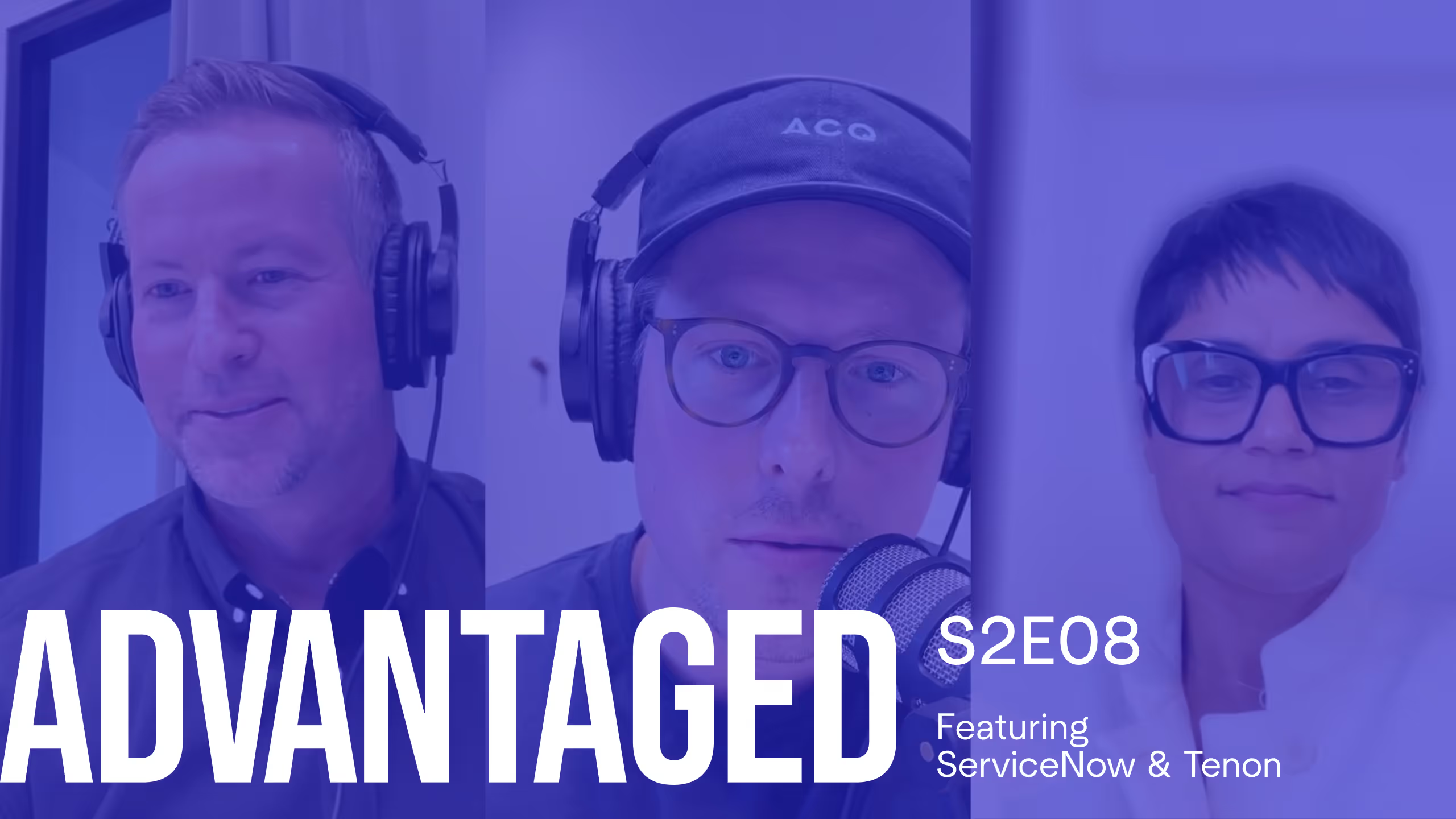
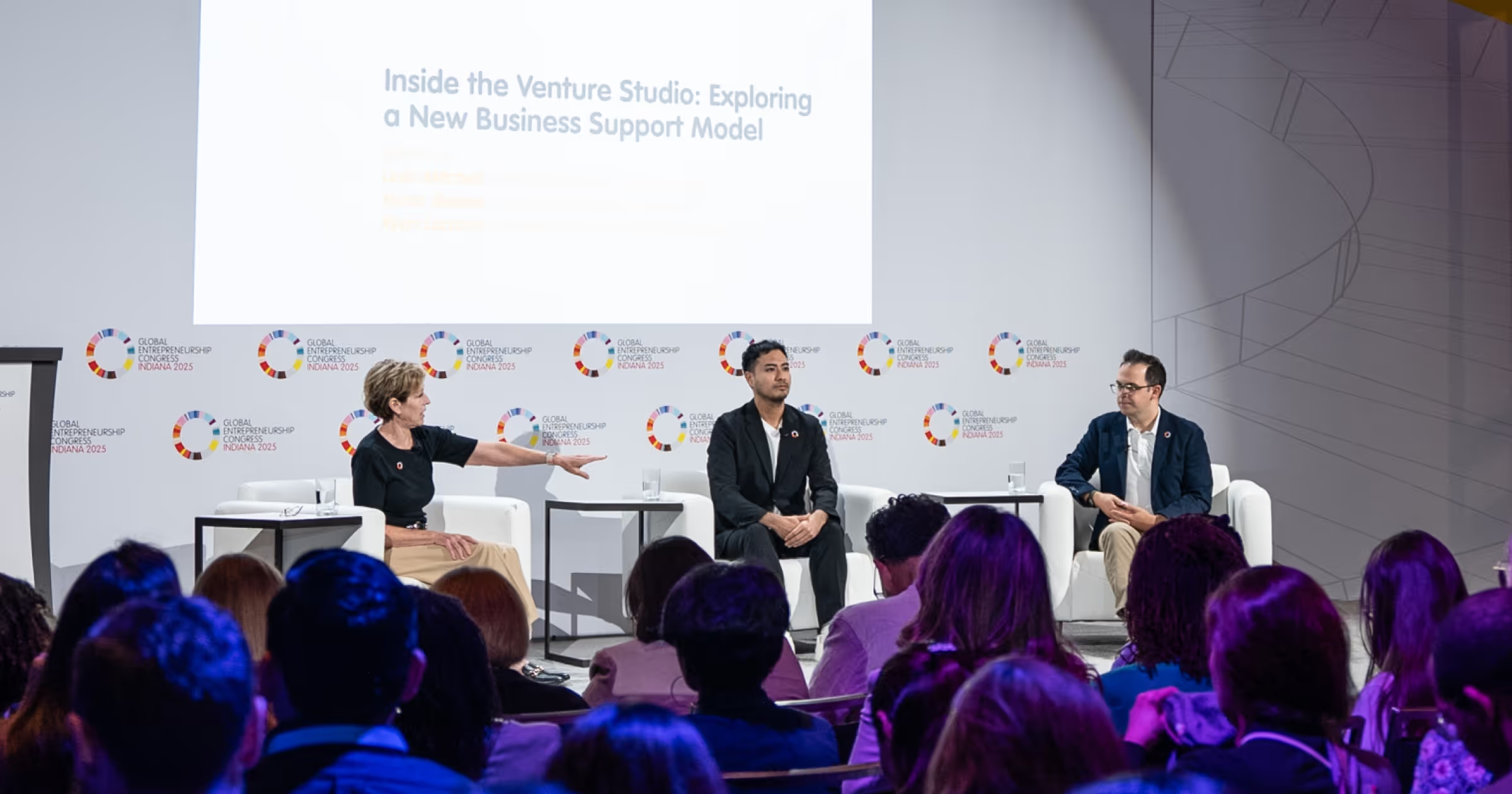
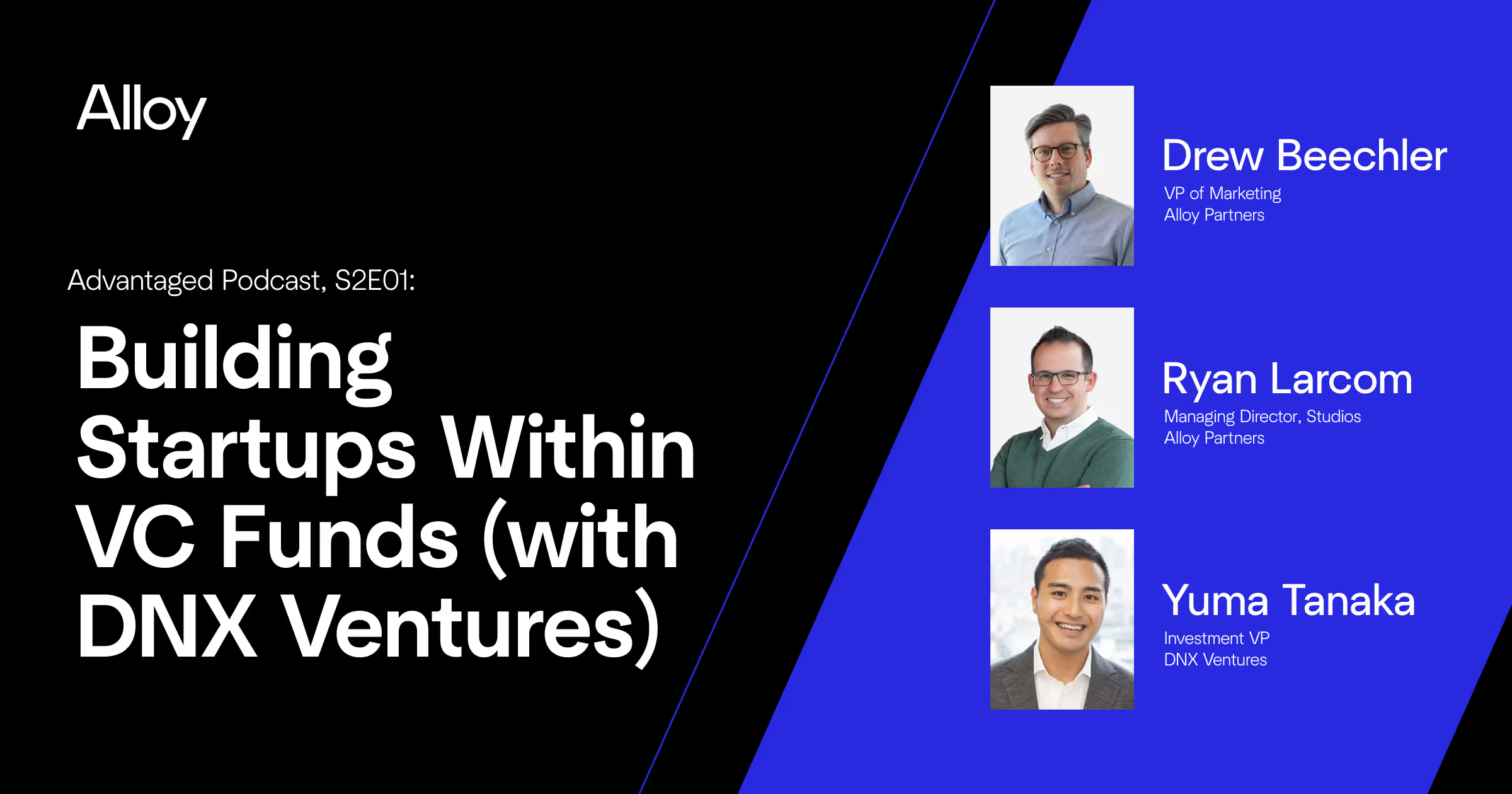
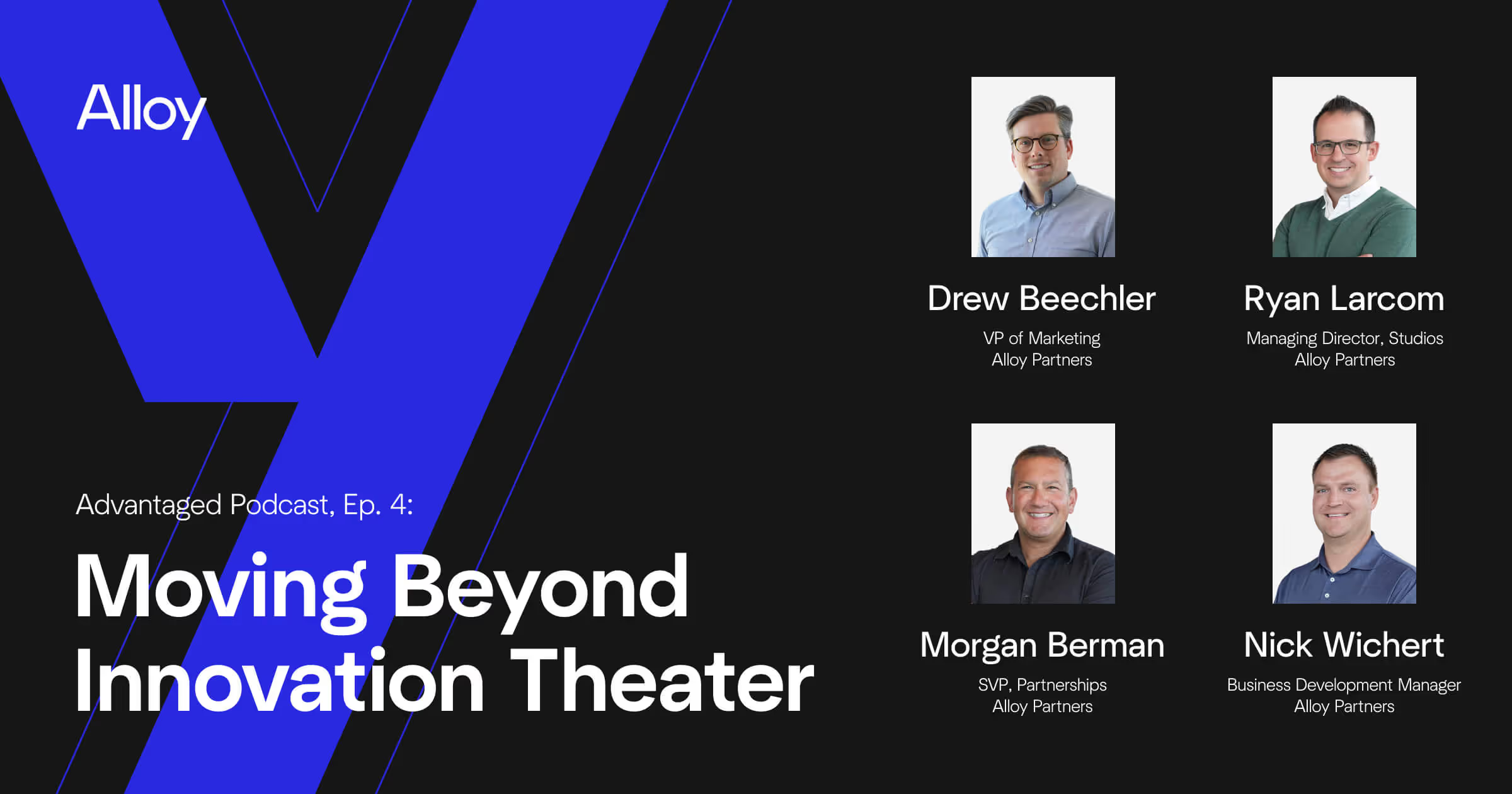
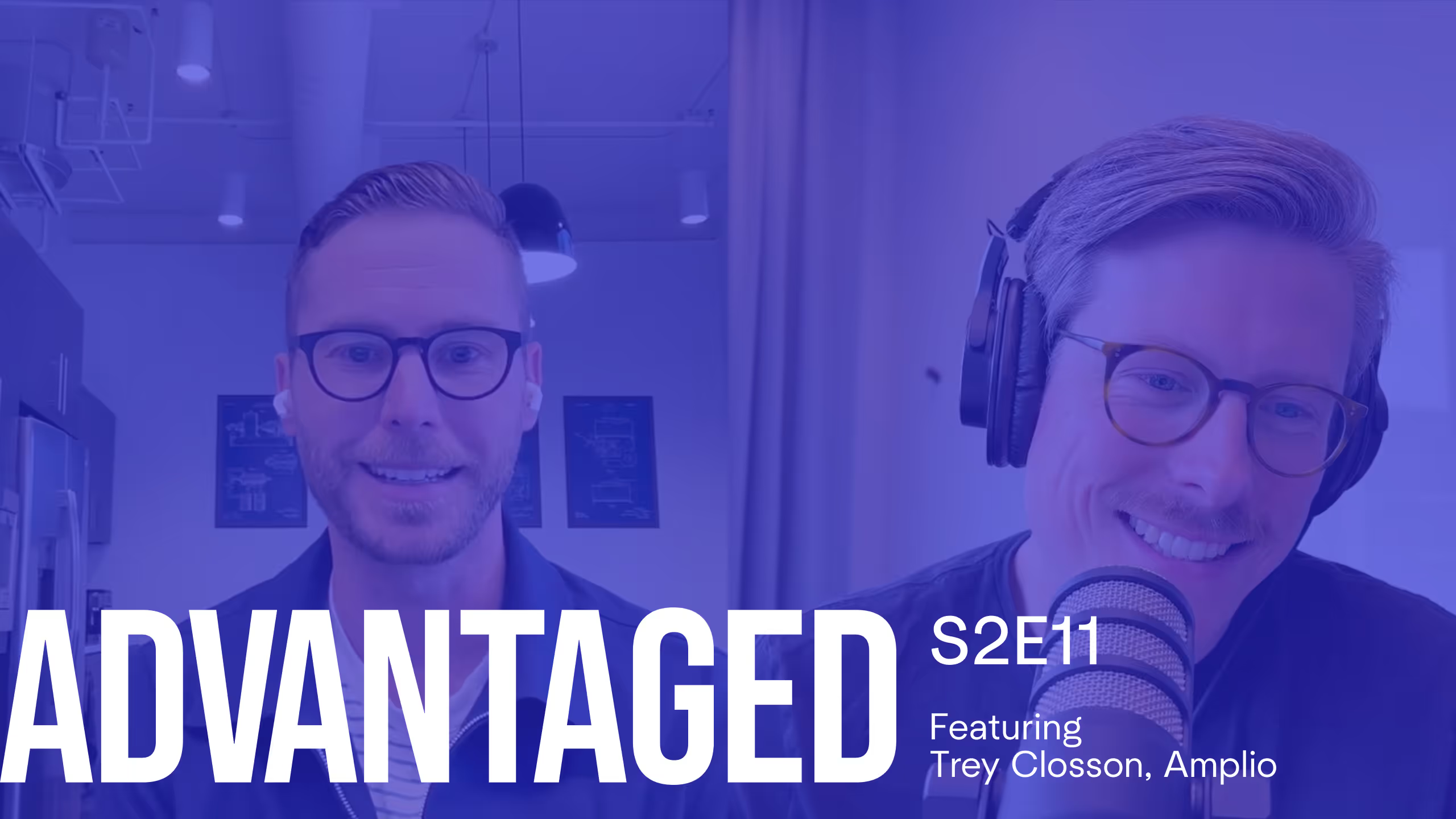
On this episode of Advantaged, host and Alloy Partners VP of Marketing Drew Beechler sits down with SVP of Partnerships Morgan Berman, Managing Director of Studios Ryan Larcom, and Business Development Manager Nick Wichert to discuss how scaled enterprises can move beyond innovation theater in 2025 and beyond to unlock growth and transformation.
Key Takeaways
- Ryan shared how “a really great corporate innovation strategy cascades from really great corporate strategy.” If enterprises are able to clearly tie in their innovation programs to the primary business objectives for the next year, five years, 10 years, then their innovation teams have the necessary reference point to guide their work and, in turn, ensure they don’t end up working on initiatives that matter little to leadership.
- Morgan explained that many corporate innovation leaders spend too much time and energy to “justify their own business units rather than actually moving the business forward.” In other words, they don’t execute on transformative innovation opportunities, like exploring new markets and business models, and — more often than not — end up engaging in an illusion of innovation that only wastes their time.
- Nick noted how silos and a lack of support will doom any innovation project from the get-go. Asking what the company wants to get out of innovation initiatives, the specific resources innovation teams need to execute, and how the business can generate learnings and insights to bring back to the core are key questions corporate executives must ask before they give the green light for any innovation programs.
Listen to the whole episode for more insights from our team on how corporations are starting to evolve from innovation theater and what changes they make internally to carry out effective innovation strategies in 2025.
Sign up for our Wavelength newsletter to get new Advantaged episodes and other corporate innovation-centric content sent to your inbox, and subscribe to our podcast on Apple or Spotify.
Transcript
Drew Beechler: Welcome everyone to Advantaged, an Alloy Partners podcast. I’m Drew Beechler, our VP of Marketing here at Alloy Partners and your host of Advantaged.
If you aren’t familiar, Alloy Partners is a venture builder. We partner with leading organizations and entrepreneurs to co-create advantaged startups, hence the title of this podcast.
This episode, in particular, is part of our 2025 innovation trends mini series that we’re doing as our first inaugural podcast. We recently published an article that dove into where we think the innovation landscape will be shaped as we come into 2025.
So today, here with me, I’m super excited. We have Managing Director of Studios, Ryan Larcom, our SVP of partnerships, Morgan Berman, and Nick Wichert, our Business Development Manager.
Ryan Larcom: Maybe it’s worth just defining the term a little bit deeper, right? Innovation theater is a result of corporations facing the pressure of constantly needing to innovate, but not actually doing the activities that are necessary to drive the growth and outcomes that they want.
Morgan Berman: Yeah, and just to piggyback a little bit on that, I think from the startup and corporates working together, there is a tremendous amount of innovation theater that quite frankly, wastes both the corporate innovation team’s time and the startups time.
Nick Wichert: But if you put it into perspective, the reality is that a lot of these corporations who have been around for a hundred years have only been at startup engagement for 10, 15 years. They’re still learning. We’re on maybe the second or third revolution of startups?
Ryan Larcom: And then finally selecting the right tool, once you know what you’re doing, right? Are we using the right tool, whether it’s CVC or M&A or R&D to achieve the ends that they want? It’s probably a mix.
Morgan Berman: Possibly. I mean, where I’ve seen it being successful is where it’s actually ingrained in that innovation team or unit can see across different business units, so they buy in from different stakeholders across the enterprise, including the CVC team.
Nick Wichert: I think Morgan alluded to it. Teams who have defined what outcomes they need to achieve from innovation to come from a position of a strategic lens. Then, you can design your organization around that outcome.
Ryan Larcom: Yeah, I think that’s great. I mean, tying those two pieces together, like a really great corporate innovation strategy cascades from really great corporate strategy. First, you’ve got to know where your company’s going and what you’re great at — what’s your right to win.
Ryan Larcom: I think you characterized it right. There was a massive downturn that occurred, which always causes corporations to pull back and direct capital from the core. I think rather than just rushing back toward previous levers they’ve used for innovation, I think it’s causing folks just to pause and think.
Drew Beechler: Well, thank you all for joining me. This is an incredible conversation and one that I hope we will continue for quite some time. Both here and in other scenarios, but thank you so much for joining me.
This is an incredible podcast. If you’re listening, be sure to subscribe and follow along for the rest of this series and future conversations we have all around the illusion of innovation and what do we mean around building advantaged startups with.
































.avif)